Blankets and quilts serve as versatile bedding layers that regulate comfort and temperature, supporting restful sleep and cozy lounging. This category highlights materials, construction, and care considerations, helping readers compare thermal properties, weight, and hypoallergenic attributes. Understanding fabric blends, weave patterns, and fiber sources informs choices aligned with personal sleep preferences and environmental values.
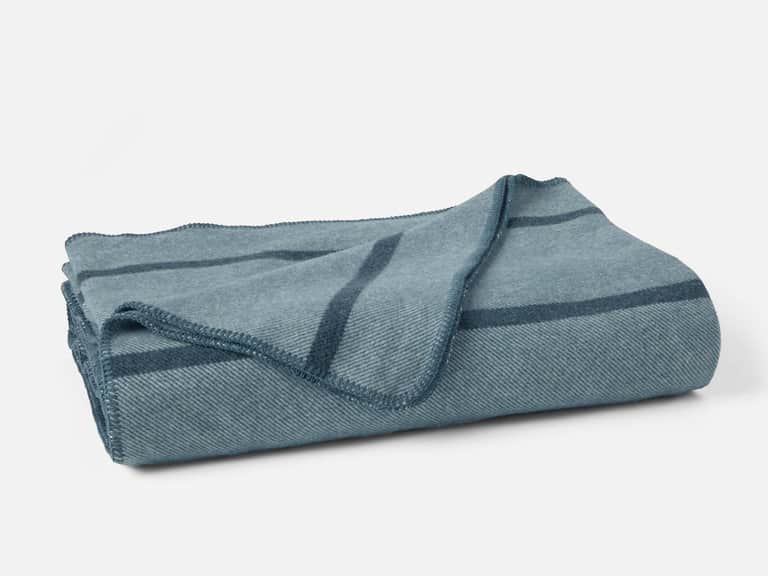
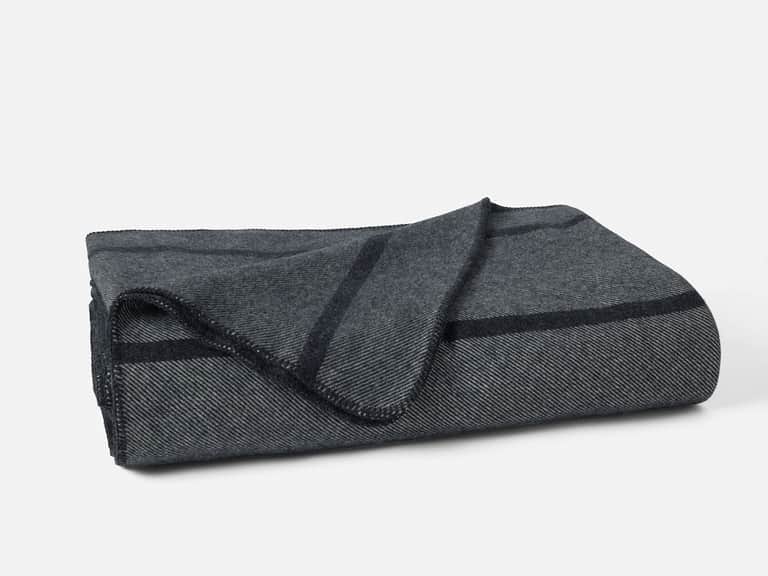
Wool blankets like the Tahoe Wool Blanket provide natural warmth, moisture management, and durability. Wool fibers offer breathable insulation that remains comfortable across seasons, while felted or carded structures influence loft and hand feel. When evaluating a wool blanket, consider fiber origin, pile density, and fini shing for long-term performance and easy maintenance.
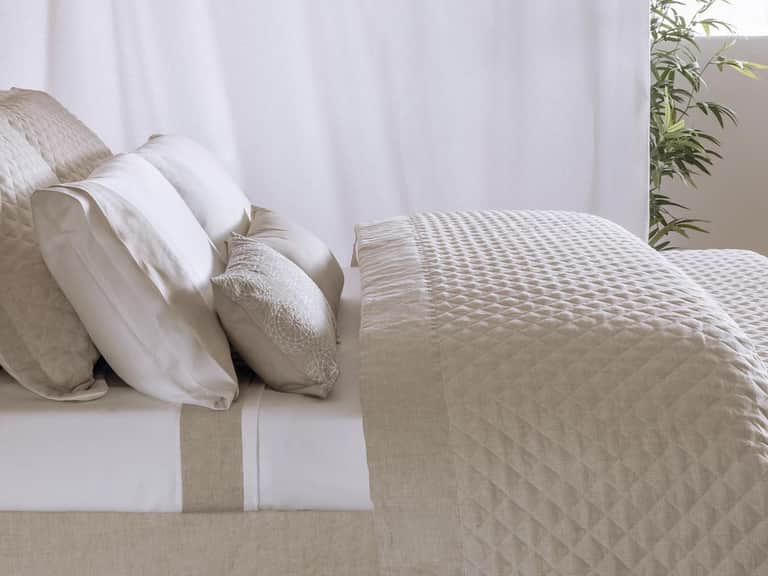
The Bovi Hudson Linen Quilted Coverlet showcases the intersection of breathable linen and layered quilting, delivering a lightweight option suitable for layering with other bedding. Linen’s moisture-wicking properties help regulate body temperature, while quilting adds dimensional texture and improved durability. This piece exemplifies how fabric choice affects sleep climate and aesthetic cohesion.
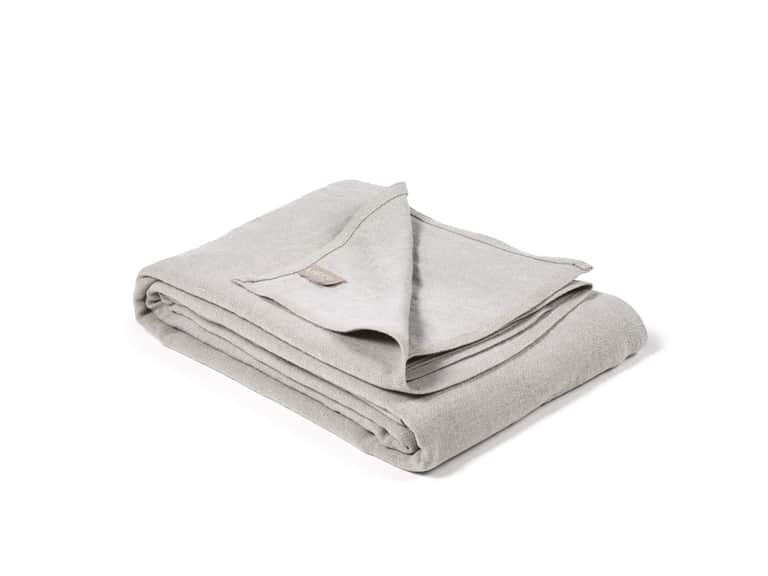
The Hudson Blanket demonstrates a versatile thermal option, combining simple design with practical warmth. Its weave, weight, and finish determine heat retention and ease of care, making it appropriate for year-round use in varied sleeping environments. Evaluating a blanket’s edge construction and stitching quality contributes to understanding its longevity and resilience.
Across these products, key features such as fiber type, fill materials, and care requirements influence usability and comfort. Meta keywords like bedding, pillows, organic mattresses, latex, and natural latex organic mattresses reflect a broader bedding ecosystem, while material choices directly impact warmth, breathability, and durability in everyday sleep settings.
 Bedding