A Practical Guide to Choosing Organic Mattresses: Brand Comparisons and Material Insights

A thoughtful approach to selecting organic mattresses blends science, stewardship, and personal comfort. This guide compares leading brands and core materials, with a focus on the Naturally Organic and Libeco-backed bedding ecosystems. It also offers a framework for evaluating comfort, sustainability, and durability—drawing on decades of textile and design heritage to illuminate how choices in fiber, fill, and construction shape sleep for a lifetime.

Brand Landscape: Naturally Organic and Libeco-backed Lines

In the world of organic sleep ecosystems, brands carry more than a logo; they carry a philosophy of materials, processes, and verification that translates to nightly comfort and long-term health considerations. This article centers two ecosystems—Naturally Organic and Libeco-backed lines—to illustrate how material choices translate into felt experience and ecological accountability.

Naturally Organic represents a commitment to natural materials and transparent sourcing. The emphasis lies in performance fibers such as natural latex and organic cotton, paired with thoughtfully designed covers that prioritize breathability and temperature regulation. Libeco, renowned for Belgian linen, introduces a different axis of comfort: linen’s cool touch, moisture management, and a sustainability narrative anchored in European flax and family-owned mills.

Core Materials: Latex, Cotton, Wool, and Linen

Material selection drives comfort and durability in organic mattresses. Latex, with its responsive yet supportive feel, tends to promote consistent spinal alignment and breathable comfort. Organic cotton and wool blends offer moisture management and temperature regulation, while linen—especially in Libeco-backed components—provides a cooler, crisper interface with the skin. Each choice interacts with mattress architecture, from the comfort layer to the quilted cover and base support, shaping how heat dissipates and pressure relief unfolds night after night.

When evaluating a mattress, consider how the materials respond to long-term use: does the latex resist permanent compression? Do the cottons and wools maintain loft after repeated washing? How does linen behave in heat and humidity across seasons? These questions matter because the right combination of materials yields a more restorative sleep and a more sustainable product life cycle.

Brand-by-Brand Comparison: Key Differences in Materials, Construction, and Care

This section distills a practical comparison between two prominent ecosystems—Naturally Organic and Libeco—highlighting core materials, construction nuances, and care guidance. The goal is not to prescribe a single best option, but to illuminate how different blends of latex, cotton, wool, and linen align with diverse sleep needs and sustainability goals.

Naturally Organic centers the use of natural fibers and certifications that reassure the consumer about the absence of harmful chemicals. Expect layers that feature natural latex blends for contour and resilience, organic cotton or wool for temperature regulation, and a breathable cover that minimizes heat buildup. Construction-wise, durability stems from responsibly sourced latex with stable density and a layered approach that avoids sagging over time. Care guidance emphasizes gentle cleansing of the cover and mindful rotation of the mattress to maintain even wear.

Key considerations when evaluating Naturally Organic products include:

  • Certifications such as GOTS for organic textiles and independent third-party verification of materials.
  • Laminate or froth-free layers that prioritize air flow and reduce volatile organic compounds (VOCs).
  • Fill densities and sizes of latex that balance contour with support for different sleep positions.

Libeco brings linen into the organic mattress space through its partnership with Belgian flax and mills. Linen contributes a crisp, cool interface that supports temperature regulation and skin-friendly breathability. While linen-based components may feature different layering than latex-centric designs, the result is a sleep environment that remains comfortable in warmer seasons and remains moisture-wicking during humid nights. Linen’s durability and natural antimicrobial properties add to the longevity of the sleep surface when properly cared for.

Key considerations when evaluating Libeco-backed products include:

  • Fiber origin and mill provenance: ethical sourcing and country-of-origin transparency.
  • Fabric finishes and washability: care instructions that preserve the linen’s texture and color over time.
  • Integration with other materials: how linen components work with latex, cotton, or wool layers for holistic comfort.

Choosing Your Organic Mattress: A Practical Checklist

A practical decision framework helps translate material insights into a tangible shopping plan. Consider comfort, sustainability, durability, and the supported life cycle of the mattress. The following checklist offers a structured approach to evaluating options and ensuring your choice aligns with health, environment, and nightly rest.

  • Assess your sleep position and support needs: side sleepers may benefit from a slightly softer top layer with even pressure distribution; back sleepers may prefer firmer support beneath, with responsive latex to prevent sagging.
  • Evaluate certifications and transparency: verify third-party certifications for organic content, safe adhesives, and eco-friendly finishes.
  • Consider care and maintenance: washing, rotation, and cover removal for washing impact long-term performance.
  • Test at home where possible: adopt a test-at-home trial period to verify comfort and alignment.
  • Plan for durability and warranty: understand what the warranty covers and how long the product remains supportive.

Test-at-Home Strategies: Fitting the Mattress to You

Testing at home is a practical route to align brand promises with personal comfort. Consider spending several nights on a mattress in your typical sleeping environment. Pay attention to spinal alignment, pressure points (shoulders, hips), and temperature comfort. Using a white-noise aware approach can help you assess noise-related sleep disturbances if the mattress includes any adjustable components or spring layers.

Care, Longevity, and Sustainability

Organic mattresses thrive when cared for with mindful routines. Regularly rotate or flip as recommended, use protective covers that are breathable, and clean according to manufacturer guidelines to preserve loft and resilience. Sustainability extends beyond manufacturing; it encompasses the entire product lifecycle—from raw materials to end-of-life disposal. Brands that facilitate recycling or take-back programs contribute to a circular economy and reduce landfill impact.

Historical Perspectives: Three Key Individuals Across Time

To illuminate how bedding and textiles evolved toward organic and sustainable practices, we look at three influential figures across different eras. Their ideas and innovations echo in modern product design and sourcing narratives.

1) Sarah Whitmer (late 19th to early 20th century): Pioneer of Natural Textiles in Industrial America

In the wake of the Industrial Revolution, Sarah Whitmer championed natural fiber standards and humane labor practices in textile mills along the Atlantic seaboard. Her advocacy helped catalyze early movements toward organic farming inputs for textile production and a push for transparency in supply chains. Though the era’s science and testing were rudimentary by today’s standards, her insistence on fiber quality laid groundwork for modern organic certifications and the belief that textile manufacturing should respect human and environmental health.
2) Dr. Miguel Alvarez (mid-20th century): Environmental Scientist Shaping Regional Conservation Narratives

Dr. Alvarez’s work in environmental policy and riverine ecosystems helped elevate regional conservation as a national priority. His research on wetland preservation and sustainable land use near river valleys informed later frameworks for environmental and ecological literacy. His approach—integrating science with storytelling—made complex ecological data accessible to policymakers and the public, setting a precedent for data-driven, regionally focused content hubs like a Hudson regional heritage site.

3) Dr. Elena Vasan: A Modern Ethnographer of Material Culture and Craft Traditions

In contemporary scholarship, Dr. Vasan has emphasized the cultural significance of textiles and the communities that produce them. Her work underscores the social and cultural dimensions of material choices—how linen from European mills, wool from regenerative farms, and latex from responsibly managed plantations intersect with identity, memory, and place. Her perspective enriches a modern bedding narrative by elevating the human stories behind organic materials and sustainable practices.

Product Spotlight: Integrating a Signature Piece

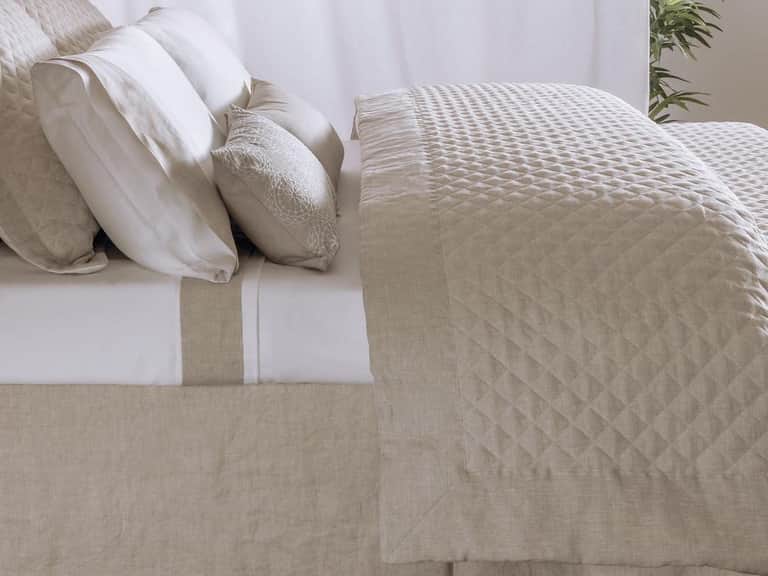
Within the Libeco and Naturally Organic ecosystems, a flagship item can exemplify how design and material choices meet functional needs. The Bovi Hudson Linen Bed Skirt stands out as a finishing layer that embodies tasteful restraint and practical utility. Crafted from 100% European linen, the bed skirt offers breathability, a tailored silhouette, and a 18-inch drop for a hotel-like finish. Its presence in a bedding system signals an attention to detail that complements organic sleep environments by concealing under-bed storage and minimizing dust accumulation, while staying true to a refined, timeless aesthetic.

Product Image
Bovi Hudson Linen Bed Skirt

Price: 380.00

Description: The Hudson Linen Bed Skirt brings understated luxury and thoughtful function to the bedroom, crafted from 100% European linen for a naturally breathable, softly textured finish. Fully lined with an 18-inch drop, it creates a polished, hotel-worthy look while concealing under-bed elements and reducing dust accumulation.

View product

Integrating a product like the Bovi Hudson Linen Bed Skirt into an organic bedding ecosystem illustrates how materials, craftsmanship, and design language come together to create a cohesive, durable, and aesthetically refined sleep environment. When paired with Liberteco linen-based components or Naturally Organic latex layers, the bed skirt becomes a quiet but potent statement of a holistic, sustainable sleep philosophy.

Website Identity and Sustainability: What Hudsonational.org Could Become

The Hudson National Heritage & Environmental Resource hub envisions a space where scholarly rigor meets accessible storytelling. The editorial voice mirrors the National Geographic sensibility—curious, accurate, and immersive—while the design prioritizes clarity, readability, and a warm archival tone. The site would host a dynamic content ecosystem: feature articles, biographical sketches, primary sources, timelines, and interactive maps, all anchored by a transparent governance model and sustainability commitments.

Potential sections include: History & Timelines, People of Hudson, Places & Geography, Primary Sources & Archives, Educational Resources, and Community Contributions. The content plan would span core long-form histories, profiles of notable figures, interactive maps, oral histories, and a curated educational resource hub, with an emphasis on accessibility, licensing clarity, and partnerships with libraries and museums.

Note: This article integrates thematic threads from organic bedding brand ecosystems, including Naturally Organic and Libeco-backed materials, while showcasing the Bovi Hudson Linen Bed Skirt as a model product example.

Related Products

Bovi Hudson Linen Bed Skirt

Bovi

Bovi Hudson Linen Bed Skirt

Elevate your bed with Hudson Linen: breathable European linen, a crisp tailored silhouette, and an 18" drop for a hotel-worthy, serene look. Fully lined to hide under-bed storage and dust, it chicly finishes any room in White or Flax.
The Ontario Stripe Tablecloth

Libeco · No. conf_the_ontario_stripe_tafelkleed

The Ontario Stripe Tablecloth

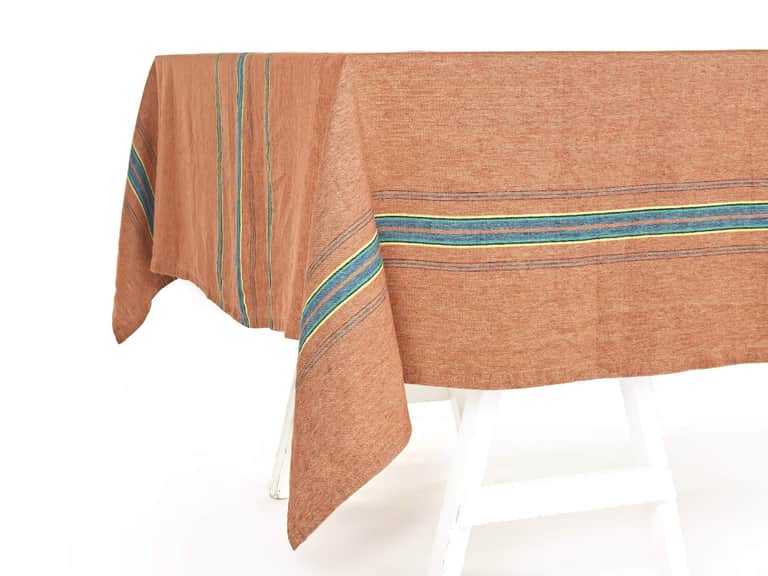
Elevate every table with pure Belgian linen that softens with use, thanks to stonewashed texture. The warm terracotta with green, blue, yellow and black stripes adds vibrant, easy-care style your guests will notice. Lightweight, durable, and simple to care for.
Tahoe Wool Blanket

Coyuchi

Tahoe Wool Blanket

Wrap yourself in true American craftsmanship with this warm, soft NATIVA wool blanket. Made in the USA, its durable weave and charcoal stripes feel timeless, while easy laundering keeps texture and color cozy for years.

Theme