Blankets, quilts, and pillow covers serve as essential elements in interior comfort, affecting warmth, texture, and sleep quality. This category highlights materials, construction, and care considerations to help readers understand how textiles influence relaxation, thermal regulation, and durability. By examining fiber types, weave structures, and usage contexts, we gain insight into suitable choices for diverse climates and bedding ecosystems.
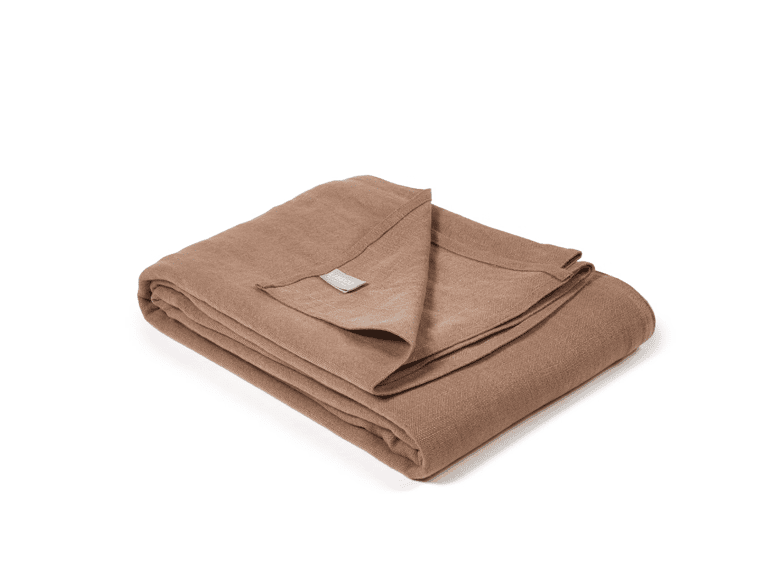
Linen blankets and pillow covers, such as the Libeco Hudson Linen Blanket and Libeco Hudson Linen Pillow Cover, exemplify natural fiber performance. Linen offers breathable moisture management, durable hand, and a cool touch, making it a timeless option for transitional environments. These pieces emphasize craftsmanship, sustainability, and long-term usability in everyday bedding.
The Libeco Hudson Linen Blanket combines lightweight warmth with a characteristic drape that adapts to seasonal needs. Its fiber structure supports air circulation while retaining essential warmth, contributing to a comfortable sleeping surface. Understanding these properties helps evaluate how blanket weight and weave influence sleep temperature and comfort.
The Libeco Hudson Linen Pillow Cover showcases practical benefits in protectivity and aesthetic versatility. With durable seams and natural fiber resilience, pillow covers can extend pillow life and maintain form after repeated use and washing. Such features are relevant for anyone prioritizing hygiene and a consistently neat bedding appearance.
In exploring bedding materials, the intersection of organic and natural components with performance metrics—breathability, softness, and care requirements—guides informed decisions. Keywords such as bedding, pillows, organic mattresses, latex, and natural latex organic mattresses reflect broader considerations in sleep environments where textiles interface with health, comfort, and climate adaptation.
 Bedding