Bedding · Natural Textiles
How to Choose and Care for Coyuchi Linen Bedding
Linen begins with a plant and ends in a room: cool to the touch, gently textured, and shaped by use. Choosing linen bedding is less about chasing a perfectly smooth finish than finding the right fabric weight, weave, and layers for the way you sleep. With thoughtful care, its relaxed character can become part of the comfort.
A practical guide to linen’s feel, seasonal versatility, selection, and everyday care.
The appeal of a fabric that breathes
Linen has a distinct presence in the bedroom. Its surface is not glassy or uniform; it carries small variations in texture that catch the light and soften with handling. On a warm night, that texture can feel pleasantly airy. In cooler weather, linen can become one layer in a bed built for warmth rather than a heavy covering expected to do everything alone.
The fiber comes from flax, a plant cultivated for centuries for both textile and other uses. Once spun and woven, flax linen is valued for strength, absorbency, and a crisp, dry hand that gradually relaxes. Those traits help explain why linen bedding can feel different from smooth cotton percale or the denser, softer surface of some sateen fabrics. It has a character of its own: tactile, breathable, and naturally inclined to wrinkle.
That last quality is not a flaw to correct so much as a feature to understand. Linen creases as it moves and rests. A carefully made bed may still show soft folds by evening, and a duvet cover taken from the dryer may look more relaxed than one pressed flat. For many people, that lived-in finish is precisely the point. If a crisp, sharply ironed appearance is essential, linen may require more finishing than expected—or another fabric may suit the room better.
When exploring Coyuchi linen bedding, consider the product details for the exact item under consideration rather than assuming every piece shares the same construction or care requirements. Fabric weight, weave, finish, color, and manufacturing choices can differ across a collection. Product-specific information is the best guide to what you are buying and how to look after it.
Start with how you sleep
A bedding decision is most useful when it begins with the person who will sleep in it. Do you tend to feel warm during the night, or do you reach for extra layers? Do you like a crisp sheet against the skin, or prefer a softer, more draped feel? Do you sleep alone, share the bed, or use a duvet that is frequently folded back? These small details influence which linen pieces will make the biggest difference.
Linen’s open, textured feel can be appealing to people who dislike a clingy surface. Its ability to take up moisture and release it as conditions change also contributes to its reputation for comfort across seasons. But “breathable” does not mean that a linen sheet will keep every sleeper cool in every room. Mattress construction, room temperature, humidity, sleepwear, and the number of blankets all matter. Treat fabric as one part of the sleep environment, not a stand-alone climate-control system.
If you are new to linen, begin with a piece you use every night, such as a sheet set or duvet cover. That makes it easier to discover whether you enjoy the texture and natural creasing before investing in a full coordinated ensemble. A pillowcase can also offer a low-commitment way to experience the fabric, though it will not give the same impression as sleeping beneath a linen sheet.
Think about care habits, too. Someone who prefers laundry that can be washed and put straight back on the bed may welcome linen’s relaxed finish. Someone who routinely presses bedding or wants a perfectly smooth surface may want to factor in the extra work. The best choice is not simply the fabric with the most appealing description; it is the one whose everyday qualities fit your routines.
Weight and weave: details that change the feel
Fabric weight offers a useful clue, but it is not the entire story. A lighter linen may feel airy and supple, while a heavier cloth can have more body and drape. Yet the finished hand also depends on yarn, weave, finishing, and how the fabric has been laundered or softened. Two textiles with similar weights may feel noticeably different in use.
When comparing options, look for the stated weight and the product description’s account of texture or finish. A stonewashed finish, for instance, generally signals that the cloth has been treated to give it a softer, more relaxed feel from the outset. It does not mean the fabric is indestructible or exempt from care instructions. The maker’s guidance still matters, especially for washing temperature and drying method.
Weave contributes to the surface and structure. Plain weaves are common in sheets and duvet covers, while other constructions may create a more pronounced texture or a heavier drape. Product pages do not always use technical language consistently, so it can help to read the full specifications and, when possible, handle a sample before deciding. If a swatch program is available, it offers a practical way to compare colors and tactile qualities in your own light.
Color deserves a little attention of its own. Natural-looking neutrals can make a bedroom feel quiet and adaptable, while deeper tones or softened colors can anchor a scheme. Lighting changes how a shade appears: a linen that reads warm beige in daylight might look more gray or amber under bedside lamps. If matching existing bedding, compare the color in the room rather than relying only on a screen.
Build a bed in layers
One of linen’s strengths is how readily it fits into a layered bed. A sheet provides the closest contact with the body; a duvet cover adds a broader field of texture; a blanket or quilt can supply adjustable warmth. Instead of selecting a single heavy covering for every month, you can adapt the bed as the weather and indoor temperature change.
For warmer conditions, a linen sheet paired with a light cover may be enough. In a cool season, add a blanket between the sheet and duvet, or fold a second layer across the foot of the bed for easy access. The exact arrangement depends on personal comfort and the climate of the room. The principle is simple: layers make warmth adjustable, while linen contributes texture and airflow at the surface.
Mixing materials can be just as effective as using linen from top to bottom. Cotton can provide a familiar, smooth counterpoint; wool can offer a substantial insulating layer; and linen can bring a drier, more textured feel. A bedroom does not need to be a matched set to look considered. Repeating a color, balancing patterns with solids, and varying texture gradually can create cohesion without making the bed feel overly formal.
Keep practical proportions in mind when choosing sheets and covers. Check mattress depth, including any topper, and compare it with the fitted sheet’s pocket dimensions. Confirm duvet insert measurements against the cover, since sizing conventions vary. A cover that is too small can compress the insert, while one that is much too large may let it shift. These functional checks are easy to overlook when color and fabric are doing the persuasive work.
How to choose linen bedding thoughtfully
A careful purchase begins with a clear list of priorities. Identify the pieces you need, the colors that suit your room, and the qualities most important to your sleep. Then read the item specifications for fiber content, dimensions, fabric weight, finish, country of origin, and care directions. If a detail is not stated, avoid guessing: contact the retailer or maker for clarification before buying.
- Check fiber content. Confirm whether the item is 100% linen or a blend, and note any other fibers in the fabric or trim.
- Compare measurements. Match sheet dimensions to the mattress and duvet cover dimensions to the insert.
- Review fabric weight and finish. Use them as clues to the likely drape and hand, while remembering that they do not tell the whole story.
- Read care instructions before purchase. Make sure the recommended washing and drying routine works for your household.
- Consider color in context. Check samples or compare swatches in natural and evening light if possible.
- Buy in stages if uncertain. Trying one frequently used piece can help you judge the texture before coordinating the entire bed.
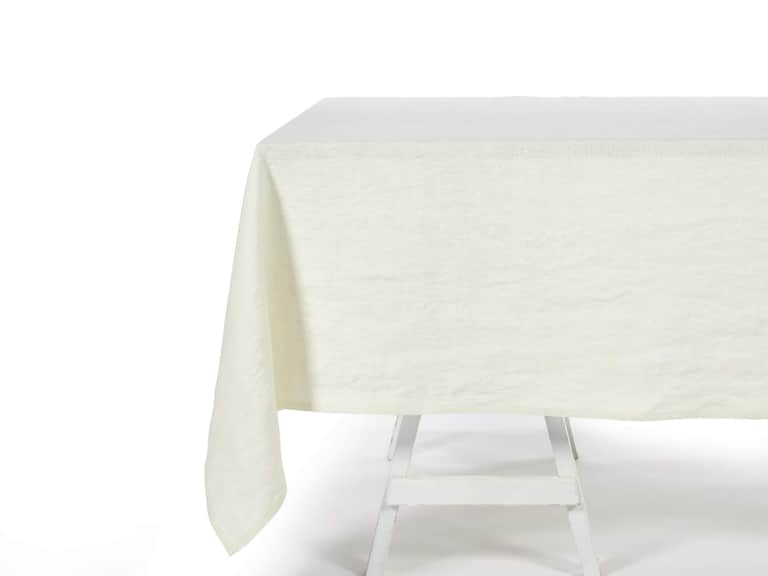
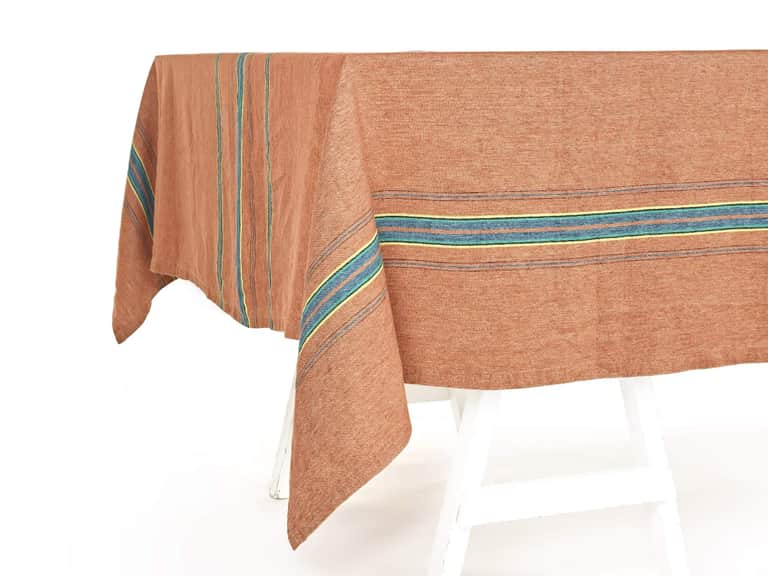
Brand names can help you find a collection, but they are not substitutes for product-level information. A label does not tell you whether a particular sheet is lightweight, how it is finished, or whether it can be tumble-dried. For Coyuchi linen bedding, consult the care label and current product listing for the specific piece you own or plan to purchase. Guidance for a linen table textile, for example, should not automatically be applied to a fitted sheet or duvet cover.
It is also worth asking what “easy care” means to you. Linen can be machine washable when the maker’s directions permit, but it may not emerge perfectly smooth. A fabric that is easy to clean may still need a gentler cycle, careful drying, or prompt removal from the machine to look its best. Ease is about matching expectations with the actual routine, not eliminating every sign of use.
Washing linen without unnecessary wear
Good linen care is mostly a matter of restraint. Follow the sewn-in label or the manufacturer’s instructions for water temperature, cycle, detergent, and drying. Care recommendations can vary according to the textile’s finish, color, construction, and any decorative details. If the instructions recommend professional cleaning, do not replace that advice with a general rule found elsewhere.
Before washing, separate light and dark colors and avoid overloading the machine. Textiles need room to move through the water; a packed drum can lead to uneven cleaning, tangling, and more friction. Fasten closures where appropriate, turn colored pieces inside out if the care guidance recommends it, and avoid washing linen with items that have hooks, rough fasteners, or abrasive surfaces that could catch the fabric.
Choose a mild detergent suited to the textile and use only the amount needed for the load. More detergent does not necessarily produce cleaner sheets; residue can leave fabric feeling less pleasant. Follow the care label on temperature and cycle, especially for dyed or finished linen. Avoid chlorine bleach unless the manufacturer explicitly says it is suitable, since aggressive products can weaken fibers or alter color.
Washing bedding often enough to keep it fresh is sensible, but there is no single schedule that suits every household. Climate, skin sensitivity, pets, sleepwear, and personal preference all play a role. A pillow protector and mattress protector can help reduce the frequency with which larger pieces need washing. Make sure any protector is itself cleaned according to its directions.
Deal with spills promptly, but begin with the least aggressive approach. Blot rather than scrub, and check the product’s stain-care guidance before applying a treatment. Rubbing can distort the weave or spread a mark. Strong spot removers can affect dyes and finishes, so test a suitable treatment discreetly when the care instructions allow it.
Drying, wrinkles, and the natural finish
Drying is where many linen-care preferences become clear. Line drying can reduce dependence on a machine and often leaves fabric with a crisp, fresh feel. If using a dryer is allowed, follow the item’s instructions and choose the recommended setting. Removing linen while it is slightly damp can help limit deep creasing; smooth it by hand and hang or fold it promptly.
Do not leave damp bedding bunched in a washer or laundry basket. Prolonged dampness can create an unpleasant odor and may encourage mildew, particularly in a warm room. Once dry, store linen in a clean, well-ventilated place away from direct moisture. Avoid compressing it tightly for long periods if you want to preserve a softer, more natural drape.
Wrinkles are part of linen’s visual language. If you enjoy the relaxed look, smooth the fabric by hand as you make the bed and allow the folds to settle. If you prefer a tidier surface, use the ironing method allowed by the care label. Linen often responds well to steam or light pressing while slightly damp, but the appropriate temperature depends on the item and its finish. Test cautiously and follow the maker’s guidance.
There is no requirement to iron every piece. A duvet cover can look polished enough when shaken out, aligned at the corners, and aired before it goes on the bed. Pressing pillowcases or the visible top edge of a sheet may offer a compromise between a crisp look and a manageable laundry routine. The aim is to care for the fabric in a way that preserves what you like about it, not to erase every crease.
Storage and long-term use
Between seasons, store clean linen only after it is completely dry. A breathable shelf or fabric storage bag helps prevent trapped moisture. Keep bedding away from damp basements, hot radiators, and direct sunlight that may fade colors over time. If you use a closet, leave enough space for air to circulate and avoid placing heavy objects on folded textiles for extended periods.
Fold sheets and covers loosely, or roll them if that better fits your storage space. Place sets together so they are easy to find, but avoid wrapping them in airtight plastic when there is any possibility of residual moisture. For a fresh scent, clean, dry storage is more important than strong fragrances, which can linger on fabric and may irritate sensitive sleepers.
With regular use, linen may soften and its surface may change. That evolution is normal, though it should not be confused with neglect. Persistent roughness, thinning, damaged seams, or color loss may point to an unsuitable wash routine, excess heat, overloading, or simply the effects of years of wear. Adjust care where possible and repair small seam problems early rather than waiting for them to spread.
Durability depends on the textile and how it is treated; no fabric is immune to abrasion or repeated laundering. Rotating between two sets can reduce wear on a single set and gives each piece time to rest between uses. This practical habit may be more valuable than trying to keep one set looking untouched. Bedding is meant to be used, washed, and returned to the bed.
A simple linen-care routine
For an uncomplicated approach, keep the routine consistent. Check labels when you buy a new piece, wash similar colors together, use a suitable detergent, and avoid crowding the machine. Dry according to the instructions, remove the bedding promptly, and make or fold it while it still has a little ease in the fabric. Store clean pieces in a dry place and revisit the routine if you notice fading, roughness, or unusual wear.
Keep a note of any special instructions for pieces with trims, embroidery, or distinctive finishes. Not every textile responds in the same way, even when all are described as linen. If care instructions are missing or unclear, ask the seller or manufacturer rather than testing a high-heat cycle or strong cleaner on a favorite item.
Finally, allow the fabric to be linen. The softly uneven surface, the crease at a folded edge, and the way a cover settles across the bed are not necessarily signs that something has gone wrong. Linen’s appeal lies partly in its movement: it changes with use and becomes more personal over time. Choose it because that character fits your idea of comfort, then care for it with enough attention to let it endure.
The lasting comfort of choosing well
Choosing and caring for Coyuchi linen bedding is ultimately an exercise in matching material to habit. Consider how warm you sleep, how much texture you enjoy, what layers you use, and what laundry routine you can sustain. Read the specifications for each item, give fabric weight and finish careful consideration, and let the care label—not assumptions about linen in general—guide washing and drying.
When those choices align, linen can bring a breathable, relaxed presence to the bedroom through changing seasons. It need not look immaculate to feel inviting. A well-made bed can be both considered and lived in: clean, comfortable, and marked by the soft folds of a fabric that is meant to be touched and used.